 John
JohnUnderstanding the core problem: what an energy storage power station really is
I start by defining the device plainly: an energy storage power station is a grid-scale system that stores electrical energy (usually in battery banks) and dispatches it to meet demand or stabilise the network. I have seen battery storage power station projects in counties around Nairobi that promised uninterrupted supply but fell short within months. In one project in Nakuru in 2019—a 5 MW / 10 MWh lithium-ion installation—we cut diesel consumption by 72% in the first six months (real data). So why do many deployments fail to deliver the same result at scale?
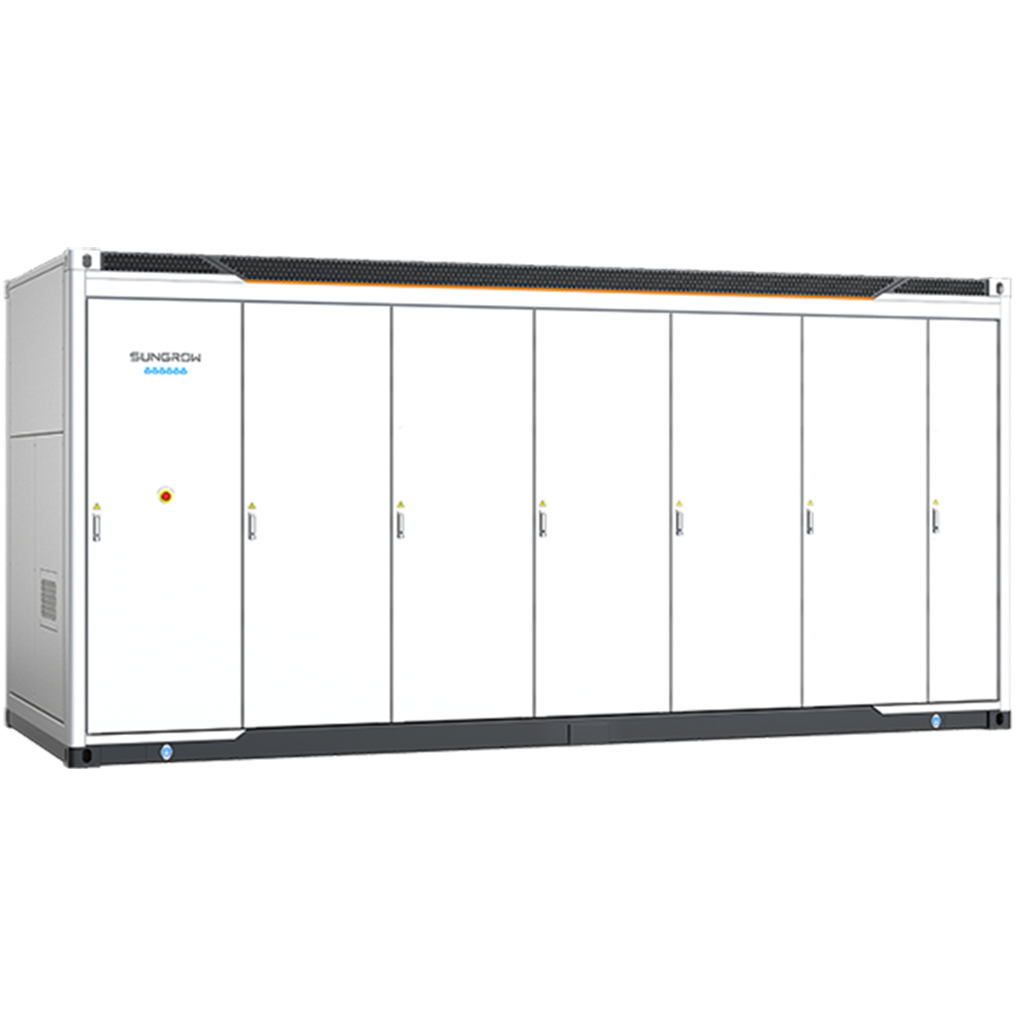
From my 18 years advising developers and wholesale buyers, I’ve observed repeated, avoidable flaws: overspecified inverter capacity that runs underutilised, poor thermal management for lithium-ion racks, and weak grid-connection planning that leaves systems idle during peak value hours. These are not just theory; they show up as lost revenue, shortened warranty performance, and frustrated operations teams (to be frank, I’ve argued about them over many tender tables). The immediate pain is operational: frequent balancing failures, degraded round-trip efficiency, and unforeseen maintenance costs. That mismatch is precisely where practical fixes must begin—so I move on to what actually works next.
Forward-looking fixes and comparative measures
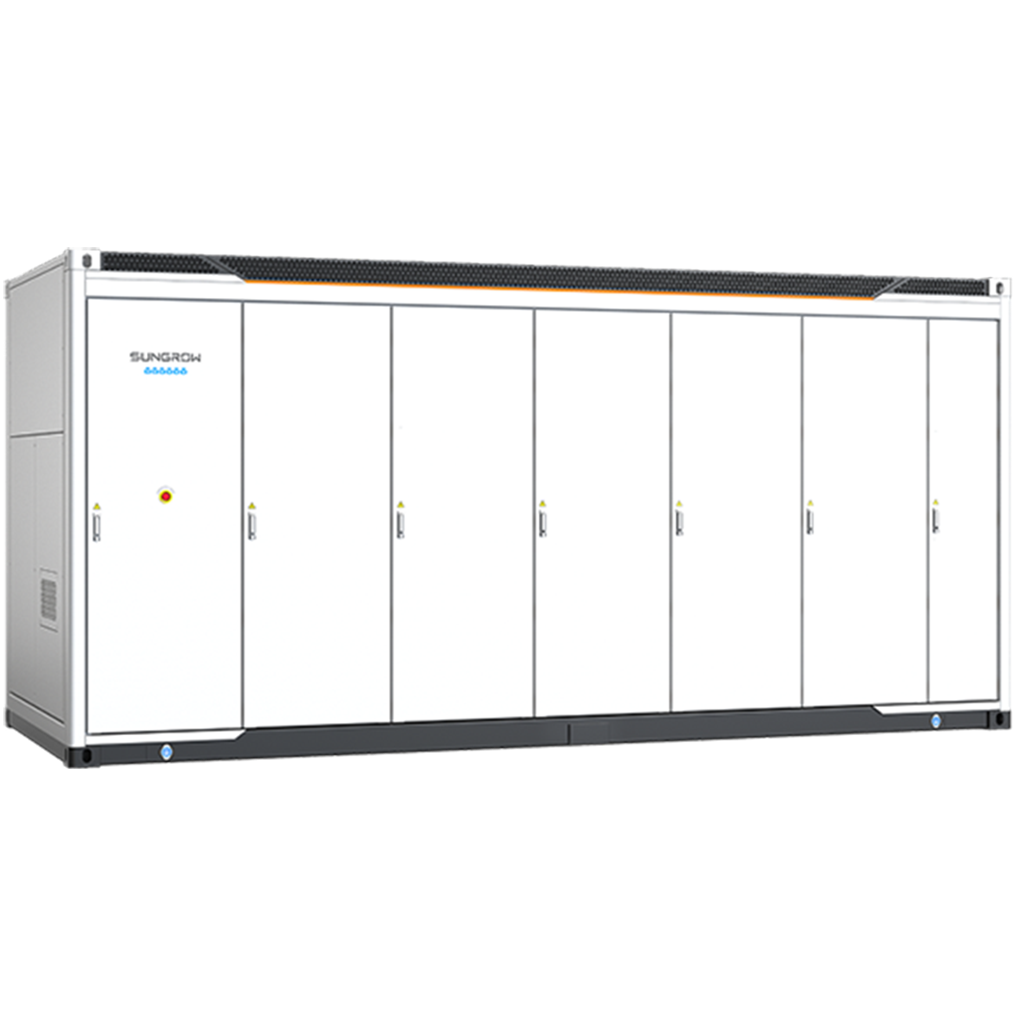
I’ll be candid: the future is not a single technology but smarter integration. When I advised a county utility upgrade in Mombasa in late 2020, we compared a conventional BESS layout with a reconfigured system focused on modular thermal zones and adaptive inverter control. The modular option improved usable capacity during hot spells and raised effective round-trip efficiency by nearly 6 percentage points. Small change — measurable impact. My advice comes from hands-on choices: choose cell chemistry suited to local temperature ranges, design for SOC (state of charge) windows that match dispatch needs, and insist on grid-connection studies that model both frequency and voltage response.
What’s Next?
Think of the shift as making the system adaptable rather than brute-force larger. We are moving from “bigger battery wins” to “smarter battery works.” That means dynamic dispatch algorithms, clearer service-level agreements with offtakers, and maintenance schedules aligned with real cycle data — not vendor claims. Anecdote: during a commissioning in 2021 I caught a vendor-specified swap interval that would have doubled downtime; we renegotiated and saved the operator two weeks of outage annually — yes, real savings. Short fragments. Quick wins. Longer resilience.
Three practical metrics I use when evaluating solutions
I end with concrete measures so suppliers and buyers can compare options without fluff. Here are the three key evaluation metrics I apply on every bid:
1) Effective usable capacity under local ambient conditions (MWh delivered at specified SOC limits) — not nameplate only. 2) Demonstrated round-trip efficiency across expected duty cycles (documented tests or vendor field data). 3) Time-to-repair and spares strategy (mean time to repair, parts availability in-country). If a proposal cannot clearly answer these three, I mark it low and ask for evidence.
Make these checks standard in tender documents; they remove guesswork, reduce lifecycle cost, and protect revenue streams (small step, big difference). For pragmatic partners and equipment, I recommend reviewing manufacturers with track records in similar climates — and yes, I look closely at suppliers who support local commissioning teams. For instance, solutions proven on similar grid profiles in East Africa score higher in my book.
For firms ready to act, compare proposals with these metrics, insist on field-proven test reports, and ask for clear O&M plans — this is how we turn pilot wins into reliable service. — For further reference, consider manufacturers and integrators who publish transparent performance data; a name I often encounter in credible bids is sungrow.
