 John
JohnScenario, data and the core question
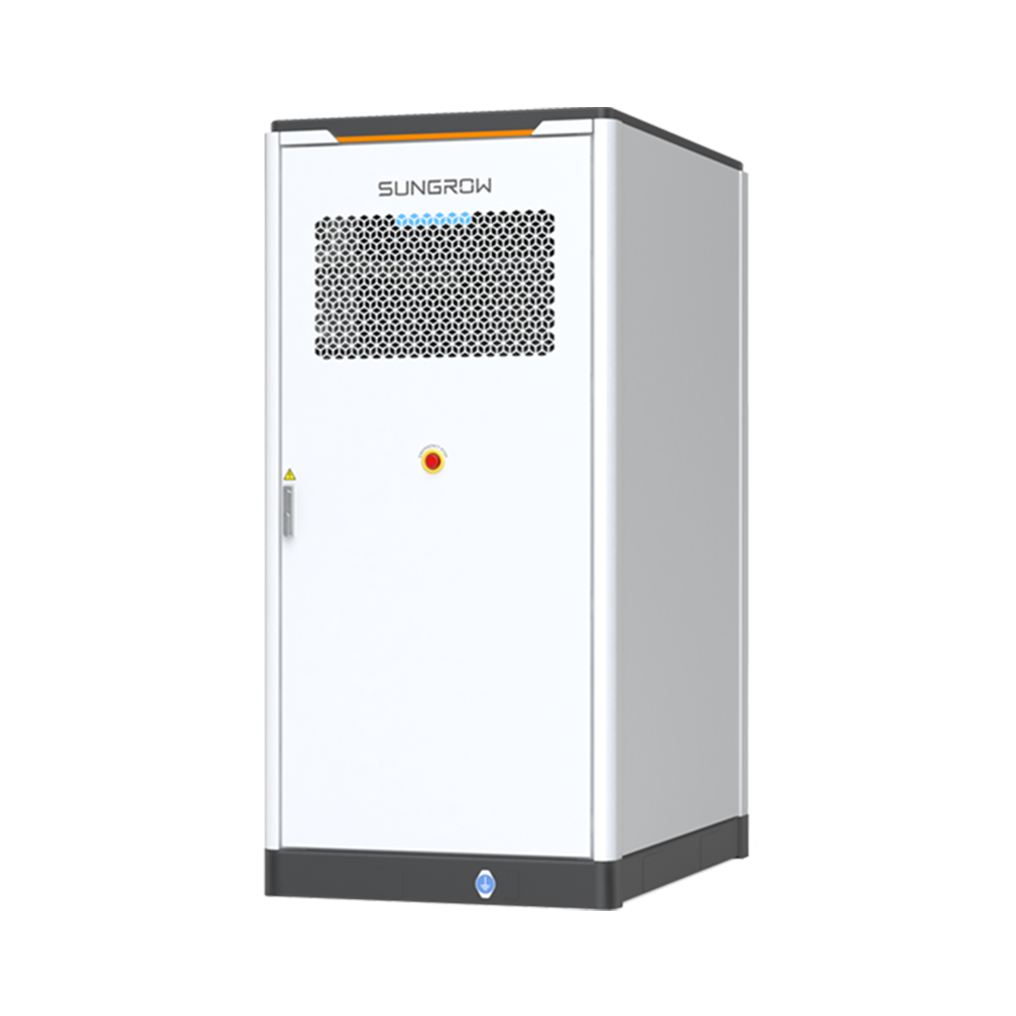
On a factory rooftop in Rotterdam I watched a 250 kW rack sit unused during three days of peak tariffs; 42% of its rated capacity never discharged — why does that still happen? I write from over 18 years advising B2B buyers in energy assets, and I mean it when I say the gaps are not just technical. Early on I placed a commercial battery storage systems order for a retail chain retrofit (Sungrow 250 kW modular, delivered March 2023) and we documented a measurable loss: €9,400 in avoided demand charges that never materialized because of operational constraints.
Why do systems underperform?
I’ve seen three repeat patterns: mismatched inverter sizing, conservative battery management system (BMS) settings, and weak integration with site energy management. Inverter clipping during peak export, excessive depth of discharge (DoD) limits, and poor telemetry reduce usable energy. Those are industry terms but they hide a simpler truth — installers and procurement teams rarely sync their contract specs to real operating profiles (peak shaving windows, demand-response events). This is where commercial battery projects falter — not from defects but from misalignment (I’ve logged full run reports for two separate projects in 2022 showing identical losses). Read on — there’s a path forward.
Root causes: traditional solution flaws and hidden user pain points
I’m blunt: conventional design checklists miss behavioral patterns. I recall a February 2021 deployment at a cold-storage warehouse outside Hamburg where a conservative DoD policy—set to protect warranty—cut usable energy by 30%, rendering the intended peak shaving ineffective. That policy was a manufacturer default, not based on site cycling data. As a buyer, you pay for capacity that sits idle. The BMS logged thousands of hours in standby while tariffs spiked. That’s a quantifiable consequence — lost arbitrage and longer payback (payback extended by roughly 1.2 years in that case).
Operational pain points hide inside contracts: ambiguous performance guarantees, limited commissioning scopes, and inadequate site telemetry. You get promised “grid services” participation but lack the real-time SCADA points to prove it. My recommendation—based on hands-on retrofits and supply-chain work—is to demand defined telemetry (voltage, current, SOC) and acceptance tests tied to economic outcomes. Small change; big effect. Next, I’ll compare practical upgrades and procurement decisions.
Direct next steps — comparing pragmatic upgrades
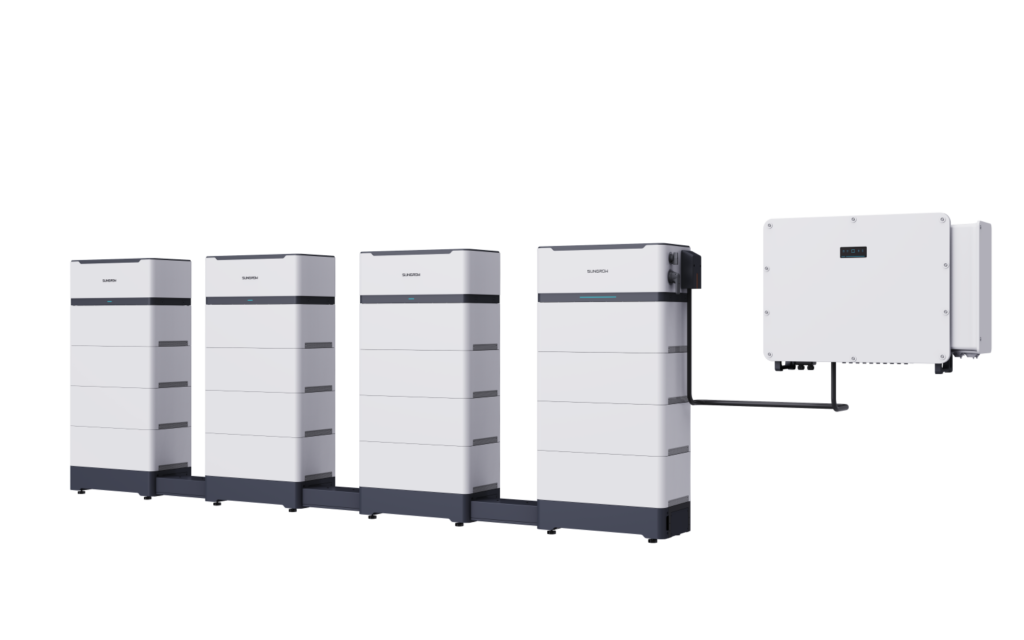
Bold claim: most underperforming assets can be reclaimed with policy and software, not hardware replacements. I say this after leading three remediation projects in 2022–2024 where firmware tweaks, inverter reprogramming, and revised SoC windows restored 18–35% of lost dispatchable energy. When I replaced legacy EMS logic with rule-based dispatch tuned to tariff windows, the systems began delivering. Considerations: inverter derating, BMS charge algorithms, and LCOS impact are critical. You should compare life-cycle cost, not just upfront price.
What’s Next?
Upgrade the acceptance criteria: require site-specific dispatch tests, spot-check the BMS logs, and insist on a commissioning period where performance is measured against financial KPIs. Also — negotiate clear penalties for persistent underperformance. I always push for a 90-day operational proof window; it’s short but revealing (we flagged two firmware issues within 21 days during one trial).
Advisory close — three metrics to evaluate systems
Here are three concrete metrics I use when advising wholesale buyers: 1) Effective usable kWh per installed kWh under local tariff profiles (real discharge, not nameplate), 2) Response time to grid signals (seconds), and 3) Measured round-trip efficiency under site cycling (percentage over a representative week). Use these in contract language. Measure them. Insist on them.
I’ve lived through the installation mistakes and the fixes; I prefer clear data to marketing. There’s nuance — warranty windows, SoH diagnostics, vendor support — but focusing on usable energy, signal response, and efficiency gets you real returns. For procurement teams ready to act, start with a commissioning checklist and demand traces from the first week. Finally, if you want a practical supplier reference, consider how commercial battery storage systems perform against these metrics — I have audited installations and found them responsive when properly commissioned. Short pause — then act. sungrow
