A Texan Take: Why Smart Supply Starts at the Ceiling
A hotel lobby flickers to life at dusk, and folks notice if the light feels off—just like they notice when a project slips. Our chandelier supply company sits in that gap where timelines meet glow, and where budget meets long-term cost. Across commercial builds, up to a third of punch-list delays trace back to fixtures and controls showing up mismatched or underperforming. That’s costly rework, partner. So here’s the question: if chandeliers set the tone for everything beneath them, why do we still treat them like a last-minute line item?
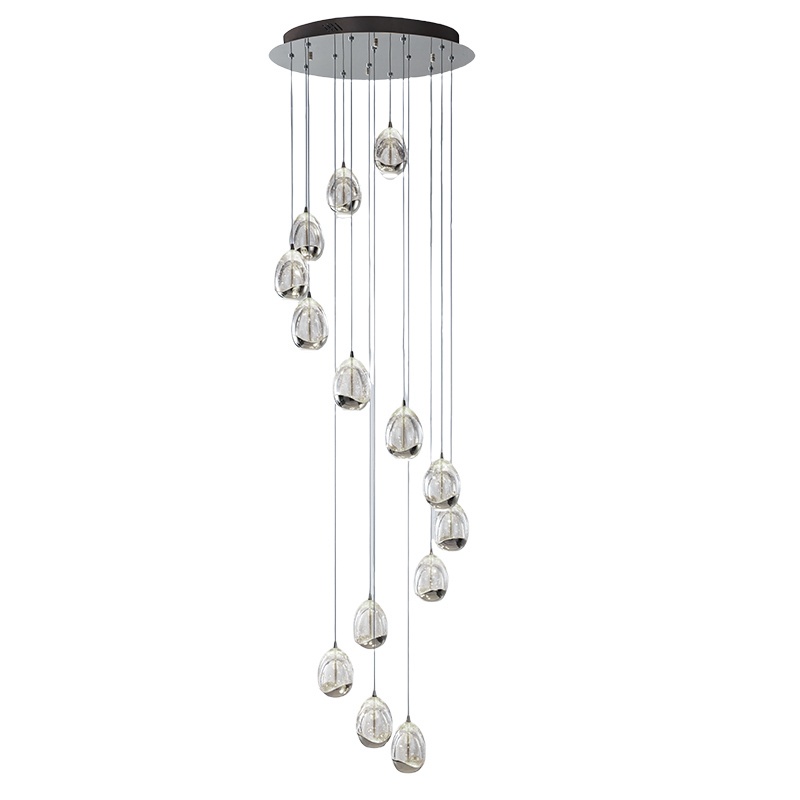
Down here, we talk plain. Driver circuitry and thermal management decide whether a chandelier hums along for years or cooks its LEDs by summer. Lumen output and power factor shape the look and the bill—month after month. And yet, spec sheets often say more about style than service life. (Pretty’s fine, y’all, but pretty plus predictable is better.) If the plan is to keep rooms welcoming and maintenance crews calm, then the plan has to start earlier: with clear data, lifecycle math, and partners who test before you test. That’s the road we’re fixin’ to walk next.
Under the Hood: Why Old Buying Habits Fail at Scale
Why do old methods stumble?
When teams shop for wholesale chandelier lighting, they often chase catalog price and headline wattage. That’s the first trap. Price tells you almost nothing about driver topology, power factor stability, or heat sink sizing. On paper, two fixtures look twins; in a ballroom, one drifts warm, the other stutters on dimmers—funny how that works, right? Traditional sourcing also isolates procurement from field realities: no mockups, no dimming curve checks, and zero verification that the control protocol (0–10V, DALI, or phase-cut) plays nicely with the house system.
Look, it’s simpler than you think: failures don’t start in the ceiling; they start in the spreadsheet. Skipping thermal derating tables shortens LED lifespan. Ignoring driver ripple makes cameras flicker at events. Overlooking harmonics drops efficiency across a panel. And when the optical diffuser isn’t matched to ceiling height, you get hotspots instead of harmony. The fix isn’t fancy; it’s disciplined. Lock in pre-bid testing, validate PWM dimming ranges, and score vendors on replacement part logistics—not just finish options. Because scale doesn’t forgive small mistakes; it multiplies them.
Looking Ahead: Tech Principles That Change the Game
What’s Next
Here’s where the curve bends. New driver designs use smarter current regulation to maintain steady lumen output across a wider voltage band—so brownouts don’t become brown rooms. Pair that with modular driver bays and you can swap a failed module in minutes instead of replacing an entire body. Add predictive thermal management and fixture health telemetry (simple sensors, not overkill) and you’ll spot stressed components before they ghost your gala. The same principles extend smoothly to dimmable led chandelier lights, where clean dimming curves and low total harmonic distortion keep audio systems quiet and video cameras happy.
Forward buildings will also standardize on known-good dimmer pairings and store those pairings in the spec—no more guessing on install day. Think of a library of validated driver-dimmer combos, with measured flicker index and R9 color data, baked into procurement. Then layer in commissioning checklists that verify control protocol handshakes and baseline power converters under real load—because lab numbers don’t tell you about warm ceilings or dusty plenums. The outcome feels modest at first—fewer callbacks, smoother scenes—and then it snowballs into reputation. And here’s the kicker—reputation reduces cost of change on your next job.
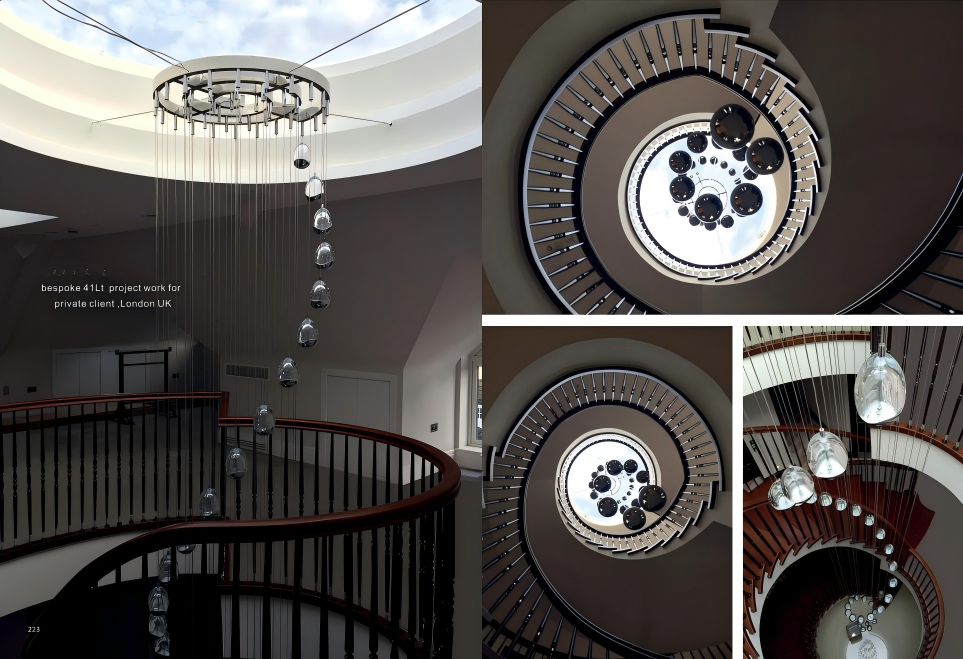
How to Choose: Three Metrics That Matter
Advisory close, plain and useful. 1) Dimming fidelity: ask for measured flicker percentage and full-range curve plots (at 100%, 50%, 10%, and 1%) for each control type; confirm driver compatibility in writing. 2) Thermal headroom: demand junction-temperature data, heat sink materials, and derating curves at ambient temps you actually expect on site; this protects color stability and lifespan. 3) Serviceability: require modular driver access, standardized connectors, and documented lead times for spares; verify that replacement procedures don’t void warranties. If your shortlist scores high on these, your chandeliers will shine steady and your schedule will breathe easy—with a nod to kinglong.