 John
The Moment Before the Shelf
Real talk: packaging is your first handshake with the buyer—no cap. make up packaging manufacturers decide how clean that handshake feels, and how fast it lands on the shelf. You’re staring down a launch window, lab shades are locked, and the ops clock is ticking. When you choose a makeup packaging supplier, you choose your timeline, your cost curve, and your brand vibe. Industry surveys keep saying it: packaging steers the cart, with a big chunk of shoppers swayed by look and feel in seconds (blink-and-gone stuff). But here’s the kicker: not all “premium” is engineered the same. Airless pumps, PCR resin content, anodized collars, and clean silk-screen lines—each has its own stress points and lead-time math. If the cap torque drifts or the color-match slips, your formula flex flops at retail. Scenario: a fall drop, 12 weeks out, and your sample sings, yet the mass run hums off-key. Is it the mold polish? The coating line? Or the vendor’s QC loop?
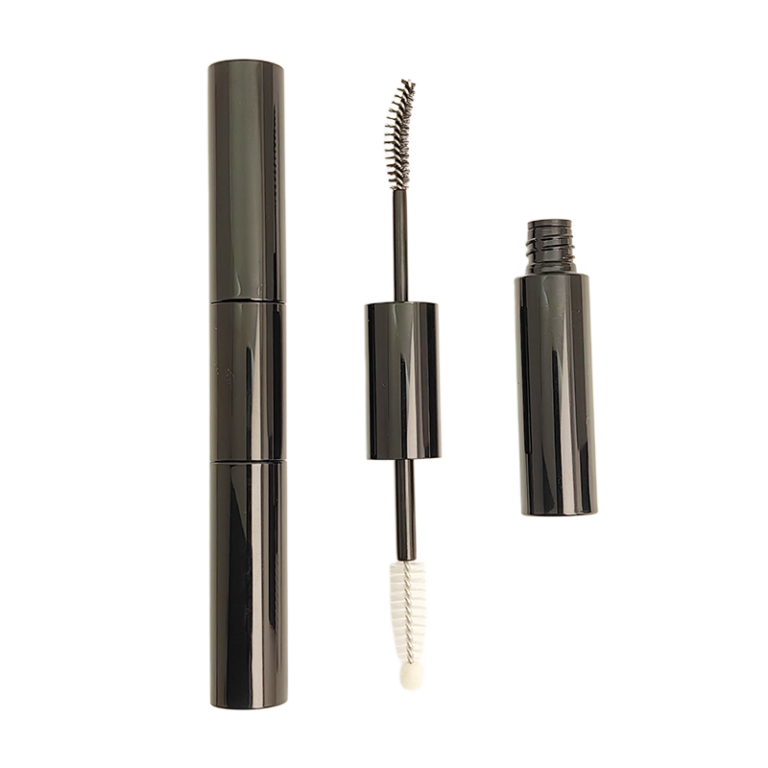
This isn’t about chasing shiny. It’s about mapping risk—materials, tooling, and validation—before your shelf date ghosts you. Let’s break down where the old playbook leaks, and how to pressure-test partners without slowing the rollout.
The Hidden Snags When You Source a Makeup Packaging Supplier
Where do legacy workflows crack?
A makeup packaging supplier pitch often centers on finish boards and fast quotes. The deeper layer sits under the gloss. Traditional vendor audits skip how injection molding variance stacks across cavities, or how tolerance stack-up hits cap-and-neck fit after hot-fill. MOQ looks lean until you add pilot-run scrap and rework. QA/QC slides into end-of-line checks, but torque testing and seal integrity should shift left, into pre-production. That gap breeds drift—funny how that works, right? Also watch resin lineage: PCR percentages get stated, not traced. Without batch-level traceability and a COA trail, your sustainability claim can wobble at the worst time.
Communication is another trap. Sales teams speak aesthetics; engineers speak failure modes. If your partner can’t translate both, you burn days on rinse-and-repeat sampling. Look, it’s simpler than you think: require design-intent drawings with GD&T notes, a documented molding window, and a color delta target before the first tool cut. Then ask for data from a real pilot—Cpk on critical dimensions, not just pretty parts. Add ISO 22716 alignment if the item touches product during filling. This reduces surprises, and surprises are what kill launches.

From Pain Points to Proof: The Forward View
What’s Next
New tools are changing the score. Instead of eyeballing samples, leading makeup packaging companies push process data upstream. Think digital-first principles: design-for-manufacture checks before RFQ, finite-element estimates on snap fits, and early-stage mold-flow to predict knit lines. Then, closed-loop SPC during pilot runs, not after. You get dashboards with torque bands, seal-force curves, and real-time color delta—so off-tune lots get flagged before boxing. Add material passports to lock PCR content by batch, and you cut greenwashing risks (and keep claims crisp). Semi-formal vibe, sure, but the results are concrete. Fewer duds. Fewer do-overs. Faster greenlights.
Comparatively, the old route gambles on “looks good to me,” while the new route proves it with numbers—dimension Cpk, adhesion pull, drop-test pass rates—so your brand story doesn’t clash with your cap click. Summing up: we surfaced where legacy flows hide waste, and we swapped guesswork for measurable controls. If you’re choosing partners, use three metrics that guide the field: first-pass yield across pilot and mass, tooling stability over three lots, and traceability depth from resin to decorated part. Simple list. Big impact—and very human in the end, because it means fewer late nights fixing what better planning would have prevented. That’s the grown-up flex, and it travels well with NAVI Packaging.

 SEO