 John
JohnIntroduction
Picture this: a morning rush in a busy Auckland warehouse, pallets stacked high, and the clock ticking. An autonomous forklift rolls past a chokepoint, steady as, while a manual unit waits. Some studies say up to 12–15% of shift time is lost to traffic jams and handovers — and that’s before battery swaps bite. So why do some fleets glide while others stall, even when the gear looks the same? (Keen to find out, eh?)

Here’s the kicker: the numbers are there — near-miss logs, downtime records, scan accuracy — but the real story hides between them. We’ve got uptime, sure, yet we still see delays at the dock and messy handoffs at staging lanes. Is it training? Or the tech stack under the hood? Maybe both. The better question is simple: which setup cuts friction without cutting control? Right, let’s step through it and line up a fair comparison for what comes next.
Hidden Pain Points the Robotic Forklift System Must Solve
What keeps tripping you up?
Let’s go direct. A modern robotic forklift system wins or loses on how it handles quiet, boring problems that chew time. Think false stops from shiny wrap confusing LiDAR. Think map drift when SLAM gets shaky near metal racks. Add safety PLCs that trip from noisy inputs and edge computing nodes that lag under peak loads. Look, it’s simpler than you think: if your alerts spike at the end of shift, you’re not just tired — your sensors and logic are out of tune with the site.
Another pain point is workflow gaps. Pallets get dropped in a “good enough” spot. Then a human nudges them because the task queue didn’t adapt to live demand. That’s wasted touches — funny how that works, right? And then there’s the handoff from WMS to the fleet. If priority changes don’t reach the vehicle fast, you get ghost waits. When the basics slip, operators blame the bot, but the fault is upstream. Fix the data path, tidy the zone logic, and set rules that match the floor, not the brochure. Reliability follows.
Comparative Insight: New Principles and What’s Next
What’s Next
Here’s where the tech principles stack up. The difference between a decent and a great robotic forklift system often comes down to how it fuses signals and schedules motion. Systems that blend LiDAR with an IMU track keep stable pose in tight aisles. Those that spread decision-making across edge computing nodes avoid slowdowns when the network hiccups. And when power converters smooth the battery draw, torque stays predictable during lifts, so you don’t see jitter near max mast height. Semi-formal take: the best setups make small, fast choices locally and save the big calls for the fleet brain — different lanes, different speeds.
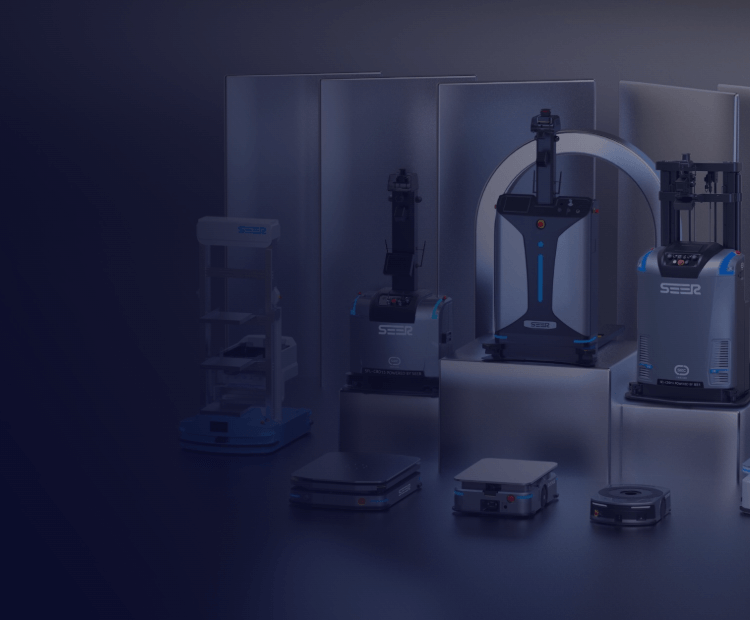
Forward-looking sites also compare by evidence, not vibes. Ask how the stack handles reflective film without masking. Check if map updates deploy without resetting missions. Measure how often safety PLCs issue false stops versus true hazards — and what the recovery time looks like. The gist from above holds, but here’s the sharper edge: reliable autonomy is less about shiny demos and more about clean handoffs, resilient sensing, and non-fragile controls — and no drama in the logs. Now, three practical metrics to choose well: first, mean time between interventions from human staff during peak hours. Second, route completion variance when aisles are crowded, not empty. Third, energy per pallet moved across a full shift, including cold starts and end-of-day sprints. Pick the system that proves it on your floor, not just on a deck — simple as. If you want a solid place to start exploring, there’s always SEER Robotics for more technical detail and examples.

 SEO
SEO