 John
Sweet, tangy, savory, and spicy notes can coexist in one condiment without competing with one another. That balance explains why sweet chili sauce appears in dipping, glazing, marinating, and meal-preparation applications across different cuisines. For China sweet chilli sauces wholesalers, understanding how these flavor elements interact is useful when evaluating products for restaurants, retailers, and foodservice operations. JOLION Foods is a manufacturer in this category, with sweet chili sauce formulated around ingredients such as red chili, garlic, ginger, sugar, honey, and vinegar.
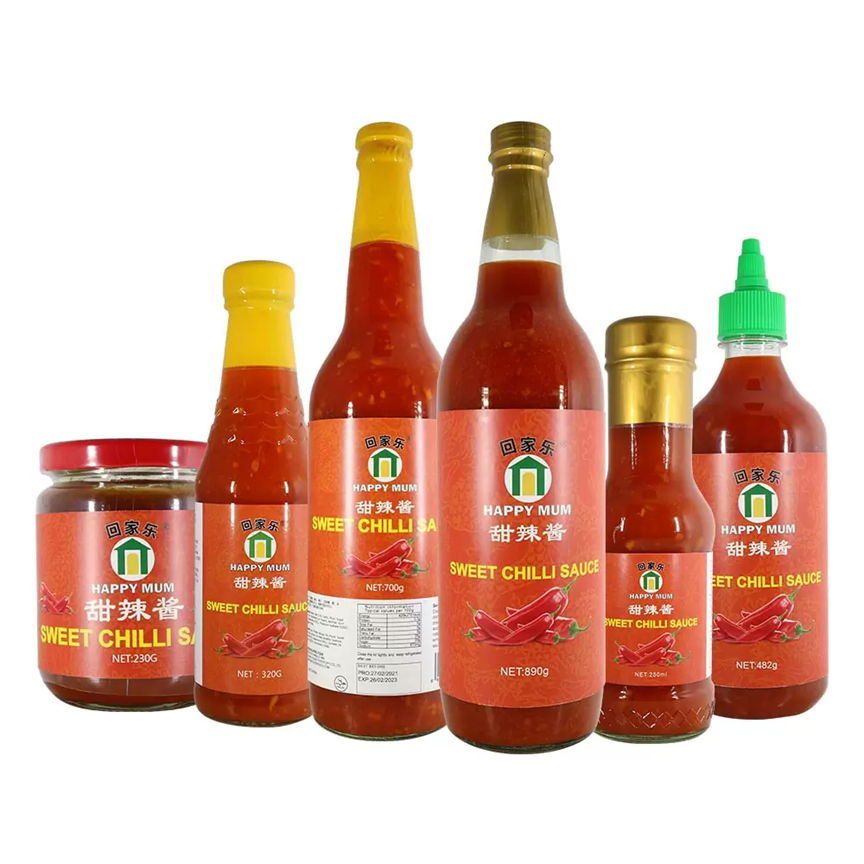
The Flavor Architecture of Sweet Chili Sauce
The appeal of sweet chili sauce comes from contrast. Sugar and honey contribute sweetness, vinegar introduces acidity, while chili provides warmth and pungency. Garlic and ginger add aromatic depth, preventing the condiment from tasting one-dimensional. The proportions between these elements can substantially influence whether the finished sauce feels sharp, mellow, fruity, or intensely spicy.
Acidity has an especially interesting role in sensory perception. Vinegar can cut through rich foods and refresh the palate after each bite, which makes the condiment suitable for fried or protein-rich dishes. Sweetness, meanwhile, can soften the immediate impression of acidity and chili, creating a rounded taste that works with both savory and mildly sweet ingredients.
Texture also affects how those flavors are experienced. A thicker sauce tends to remain on the surface of food, while a more fluid consistency spreads quickly across noodles, vegetables, or larger portions. The preferred viscosity depends largely on the intended culinary use and serving format.
Matching Sweet Chili Sauce With Food
Seafood often benefits from a condiment that combines acidity with gentle sweetness. Shrimp, fish, squid, and other seafood can have relatively delicate flavors, so a sauce with balanced intensity can add contrast without requiring heavy seasoning. The acidic component may also make rich or fried seafood preparations feel less heavy.
Chicken and beef offer a different pairing opportunity. Their stronger savory profiles can accommodate more pronounced chili and garlic notes. Sweetness may contribute a light glazing effect when the sauce is brushed onto cooked meat, while acidity adds another layer of contrast to browned surfaces.
Vegetables provide yet another application. Steamed, roasted, or fried vegetables can take on additional complexity when paired with a sweet and spicy condiment. In some dishes, the sauce functions as a finishing element; in others, it becomes part of a marinade or cooking mixture. China sweet chilli sauces wholesalers can consequently encounter demand from several food categories rather than from dipping applications alone.
What Influences Commercial Sauce Selection
Commercial buyers often need to examine more than flavor. Ingredient declarations, allergen information, packaging specifications, storage requirements, shelf life, and serving recommendations can all affect whether a condiment fits a particular sales channel. Retailers may have different requirements from restaurants or food manufacturers, even when the underlying sauce is similar.
Consistency between batches is another consideration in professional foodservice. A restaurant using the same sauce across multiple locations needs predictable flavor and texture so that dishes remain reasonably consistent. Manufacturing controls, quality inspection procedures, and documented specifications can provide useful information during supplier assessment.
Packaging also deserves attention because the container becomes part of the product’s practical use. Bottle size, closure design, dispensing characteristics, and label information can influence storage and serving convenience. For China sweet chilli sauces wholesalers, these details become particularly relevant when products are distributed through different retail and foodservice environments.
JOLION Foods and Sweet Chili Sauce Applications
JOLION Foods produces sweet chili sauce for applications involving seafood, chicken, beef, and vegetables. Its formulation combines red chili with ingredients such as garlic, ginger, sugar, honey, and vinegar to create a profile containing sweet, savory, tangy, and spicy characteristics. The company also operates with a professional quality-control team and production management system, providing a manufacturing framework for wholesale sauce supply.
The broader value of a condiment can be assessed through its adaptability. A sauce that works as a dip may also function as a glaze, marinade ingredient, or finishing sauce, giving commercial buyers more opportunities to incorporate it into menus and product ranges. Such versatility can be particularly useful when one ingredient needs to serve several recipes.
For China sweet chilli sauces wholesalers, supplier evaluation can include formulation, quality management, packaging options, documentation, and intended applications rather than focusing on flavor alone. These factors help clarify whether a sauce is appropriate for a specific market, customer group, or distribution model. JOLION Foods offers one example of a manufacturer operating within this wider sweet chili sauce category.
Conclusion
Sweet chili sauce demonstrates how several contrasting sensations can work together within a single condiment. Sweetness rounds out chili, vinegar introduces brightness, and aromatic ingredients add complexity, while texture determines how the sauce interacts with different foods. Those characteristics explain its use across seafood, meat, vegetables, dipping dishes, and broader culinary preparations. JOLION Foods combines these flavor principles with established production and quality-control practices, giving China sweet chilli sauces wholesalers a product category that can be assessed through both sensory performance and practical commercial requirements.

 Baniza
 admin